What Does Kratom Taste Like? A Complete Guide to Flavor & Solutions

What does kratom taste like, and is there any way to improve it so you can stop dreading your next dose? This guide answers both questions, plus everything else you might wonder about the flavor of this Southeast Asian botanical.
Kratom has a serious following across the U.S., and people are drawn to it for plenty of reasons: reported wellness benefits, energy support, mood lift, and relaxation. But the flavor is where most newcomers hesitate.
What Does Kratom Actually Taste Like?
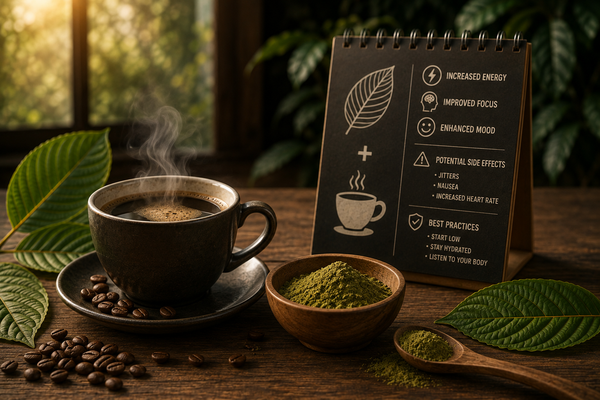
Kratom tastes earthy and distinctly bitter, with a strong grassy undertone. The closest comparison most people reach for is strong, unsweetened green tea with a heavier vegetal backbone, almost like raw matcha mixed with finely ground herbs. There's a lingering bitterness on the back of the tongue that can stick around for a minute or two after swallowing.
The reason comes down to the plant itself. Kratom is made from the dried, ground leaves of the Mitragyna Speciosa tree, a tropical evergreen native to Thailand, Indonesia, Malaysia, and Papua New Guinea. The leaves contain alkaloids, primarily mitragynine, that are naturally bitter compounds. Bitterness in plants is often a defense mechanism, and kratom leans into that profile hard.
Does Every Strain Taste the Same?
Mostly, yes, with subtle variation. The vein color and strain do shift the flavor slightly:
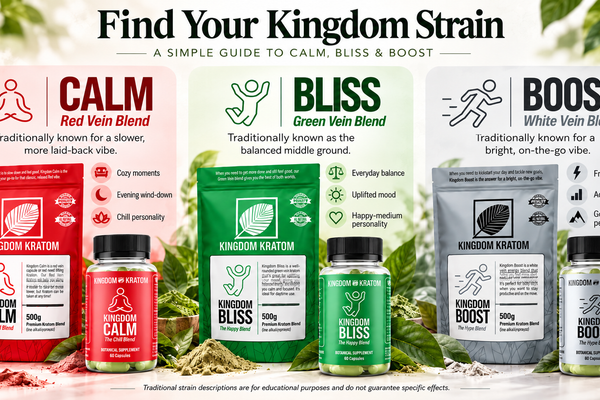
- Green vein strains tend to taste the most grassy and fresh, with a sharper vegetal bite.
- White vein strains often come across as slightly brighter and more astringent.
- Red vein strains usually taste deeper and earthier, with a touch less sharpness.
- Yellow and gold strains can have a smoother, mellower bitterness thanks to extended drying.
If you're curious how the flavor shifts across veins, a kratom sample pack is the easiest way to compare without committing to a full bag of one strain.
Why Does Kratom Taste So Bitter?
The bitterness comes from the alkaloid content. Mitragynine, 7-hydroxymitragynine (present in trace amounts in natural leaf), speciogynine, and dozens of other alkaloids all carry bitter notes. These compounds are also what give kratom its reported effects, so the bitterness and the benefits are tied together. Stronger, more alkaloid-rich leaf often tastes more intense.
Freshness plays a role too. Quality kratom that has been properly dried and stored holds onto a cleaner, sharper flavor. Old or poorly handled powder can taste musty, stale, or even rancid, which is one of the reasons sourcing matters so much.
How to Make Kratom Taste Better
If you're working with loose powder and the flavor is getting in the way, these methods actually work.
1. The Toss and Wash
Measure your dose, drop the powder straight into your mouth, and immediately wash it down with water or juice. The contact time is short, so the bitterness barely registers. It takes a little practice, but it's the fastest method.
2. Mix With Citrus Juice
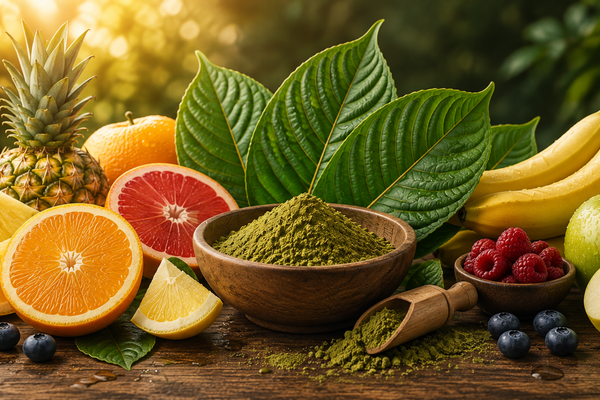
Orange juice, grapefruit juice, and lemonade are popular pairings. The acidity cuts through the bitterness, and some people report that citrus may help with absorption. Stir well, because kratom powder does not dissolve, it suspends.
3. Blend Into a Smoothie
A banana, some berries, a scoop of yogurt, and your kratom dose blended together hides the flavor almost completely. Chocolate protein shakes work especially well because cocoa is naturally bitter and masks the kratom profile.
4. Brew It as a Tea
Simmer your dose in water for 15 to 20 minutes, strain, and add honey, lemon, or ginger. Tea is the traditional preparation method in Southeast Asia and softens the harshness considerably.
5. Mix With Applesauce or Yogurt
Thick, sweet foods coat the powder and dull the bitter hit. Cinnamon applesauce is a fan favorite among the community.
Skip the Taste Entirely: Capsules, Extracts, and Gummies
If the flavor is a deal-breaker, you don't have to fight it. Several formats remove the taste issue completely.
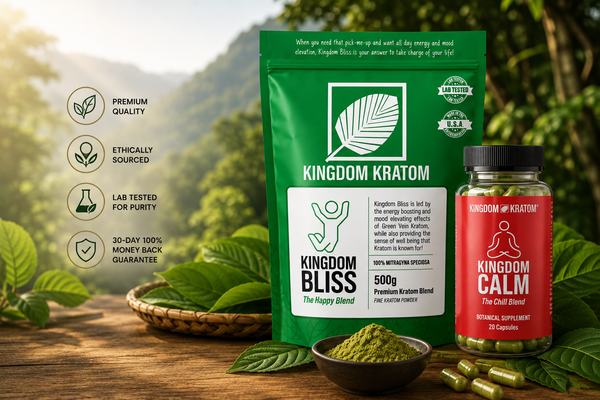
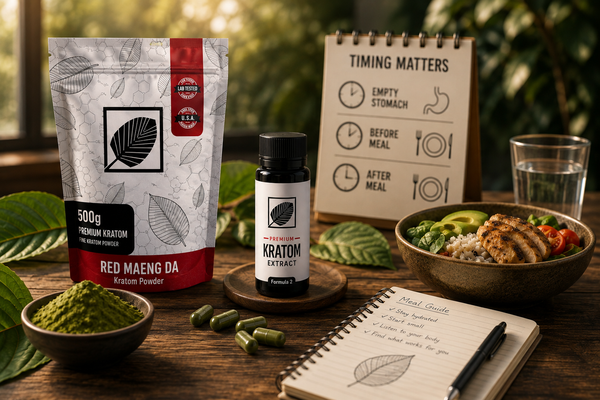
- Kratom capsules seal the powder inside a gelatin or veggie shell. No taste, no mess, no mixing. Browse our premium kratom capsules for the easiest on-the-go option.
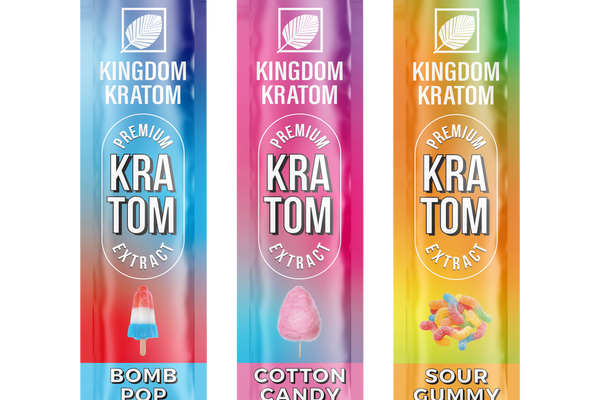
- Kratom extracts and shots are concentrated and flavored, so the bitterness is masked by fruit or botanical flavoring.
- Kratom gummies taste like candy and deliver a measured dose, no aftertaste involved.
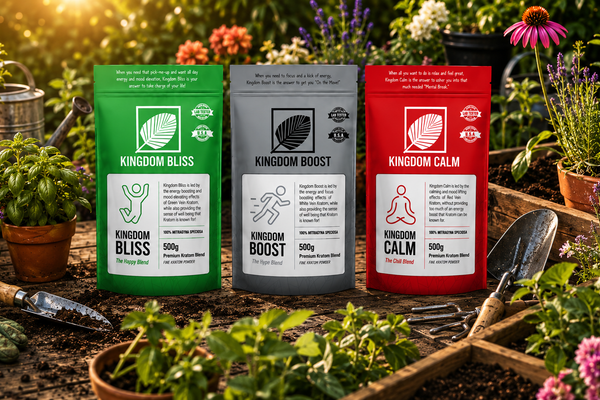
- Kratom blends combine strains into a single formulation, often with added flavor profiles. Our kratom blends like Bliss, Boost, and Calm are popular for this reason.
What Does Kratom Smell Like?
The aroma matches the flavor: earthy and grassy, slightly hay-like, with a green tea undertone. Fresh kratom has a clean botanical smell. If your powder smells musty, sour, or off, that's a sign of poor storage or age, and you should reach out to your vendor.
Tips for First-Time Users
- Start with a small dose so you can gauge both the flavor and how your body responds.
- Have your chaser ready before you measure the powder.
- Rinse your mouth with juice or mouthwash after to clear the lingering bitterness.
- Try multiple strains to find a flavor profile you tolerate best. Green vein options like our Green Vein Kratom Powder selection give you a range to work with.
- Consider capsules for daily use and save powder for when you have time to prepare it properly.
Quality Matters More Than You Think
Low-grade kratom often tastes noticeably worse than high-quality leaf. Stale powder, contamination, or improper drying can push the flavor from earthy and bitter to genuinely unpleasant. Sourcing from a vendor that follows American Kratom Association GMP standards and tests every batch makes a real difference, both in flavor and consistency.
At Kingdom Kratom, every product is grown and harvested in the jungles of Southeast Asia, dried under controlled conditions, and lab-tested before it reaches you. No additives, no fillers, just clean Mitragyna Speciosa leaf, backed by a no-questions-asked money-back guarantee.
Frequently Asked Questions
Does kratom taste worse than other herbal supplements?
It's stronger than most, but comparable to other bitter botanicals like wormwood, dandelion root, or unsweetened matcha. The bitterness is more intense up front but fades quickly.
Can I get used to the taste?
Yes. Most regular kratom users report that the flavor becomes much less noticeable after a few weeks. Some even come to associate the taste with the effects and stop minding it altogether.
Will sweetening kratom reduce its effects?
No. Adding honey, sugar, juice, or flavoring does not impact the alkaloid content or the reported effects. Mix freely.
What's the easiest way to take kratom without tasting it?
Capsules. They bypass the flavor completely and give you a pre-measured dose. Gummies and flavored extracts are close seconds.
Why does my kratom taste different from my last bag?
Slight batch-to-batch flavor variation is normal with natural botanical products, since alkaloid content shifts based on the season, region, and individual leaves. A dramatic flavor change, though, can signal a quality issue, and you should contact your vendor.
Final Thoughts on the Flavor of Kratom
Kratom is bitter and earthy, and there's no getting around that with loose powder. The good news is you have options. Toss and wash, citrus juice, smoothies, tea, capsules, gummies, and blends all give you a way to enjoy the benefits without dwelling on the flavor. Start with a sample pack, find what works for your palate, and don't let the taste keep you from a botanical that's been used in Southeast Asia for centuries.