DEA Emergency-Schedules MGPI, MGM-15 & MGM-16: What the New 7-OH Crackdown Means for Kratom

Updated August 26, 2026 — not legal advice; consult the linked federal sources for the controlling language.
The federal government just made its next move against synthetic opioid products sold under the kratom name. On August 25, 2026, the Department of Justice announced the emergency scheduling of three potent opioid compounds — mitragynine pseudoindoxyl (MGPI), MGM-15, and MGM-16 — placing them in Schedule I of the Controlled Substances Act by DEA temporary scheduling order.
If you're a natural kratom consumer, here's the headline up front: kratom is not banned. The DOJ said so explicitly. This action targets the same category of chemically manipulated products we've refused to sell since day one — and it's the clearest signal yet that the federal government is drawing the line exactly where we always said it would be drawn: between the natural leaf and the lab-boosted opioids sold in its name.
What the DEA Actually Did
The DEA used its emergency (temporary) scheduling authority — the fastest tool it has — to place three compounds into Schedule I, the most restrictive category under federal law. A temporary order lasts two years and can be extended one additional year while the government pursues permanent scheduling. Manufacturing, distributing, or possessing these substances now carries Schedule I controls and criminal penalties.
Attorney General Todd Blanche framed the action bluntly: "The Justice Department is acting before these dangerous compounds become a broader threat. These are potent opioids being manufactured and sold in consumer products, often under labels that obscure their true risks."
This follows directly from the DEA's July 2026 move against 7-hydroxymitragynine (7-OH) itself — the notice of intent we covered in Is Kratom Banned? What the DEA's 7-OH Scheduling Really Means for You. The Federal Register notice for these three compounds published the same week. First the government came for concentrated 7-OH; now it's closing the side doors before manufacturers can walk through them.
What Are MGPI, MGM-15, and MGM-16?
All three are what regulators call "7-OH adjacent" compounds — molecules related to or derived from kratom alkaloid chemistry, engineered or concentrated to act as serious opioids:
- Mitragynine pseudoindoxyl (MGPI) is a potent mu-opioid receptor agonist. Per the DOJ, the scientific literature has not established MGPI as a naturally occurring kratom alkaloid in any meaningful quantity — the products being targeted contain deliberately manufactured, concentrated MGPI.
- MGM-15 and MGM-16 are designer analogs in the same family. MGM-15 was already being manufactured and marketed for its opioid effects; MGM-16 was scheduled preemptively as the obvious next substitute.
The DOJ's stated rationale: these are potent mu-opioid receptor agonists carrying risks of dependence and respiratory depression, showing up in tablets, shots, and extracts at smoke shops and gas stations — frequently labeled in ways that hide what they actually are. If you've read our coverage of the 7-OH problem, this playbook is familiar: when one boosted molecule gets banned, manufacturers pivot to a cousin molecule and keep shipping. The DEA just scheduled the cousins in advance.
Is Natural Kratom Affected? No — and Here's the Exact Language
The DOJ states the action "is directed at deliberately manufactured and concentrated opioid products, not traditional botanical kratom." Natural kratom leaf — powder and capsules made from ground Mitragyna speciosa leaf — remains federally legal, exactly as it was last week.
One nuance worth understanding, because it's where careless vendors will get burned: the DOJ says it will exercise enforcement discretion for products containing only "incidental trace amounts of MGPI" consistent with botanical kratom — while noting that discretion "does not create a legal exemption." Translated: the government isn't hunting leaf kratom for parts-per-million chemistry, but the safe harbor is practical, not statutory. The way a vendor proves they're on the right side of that line is the same way it's always been: batch-level lab testing with published certificates of analysis showing a natural, unmanipulated alkaloid profile.
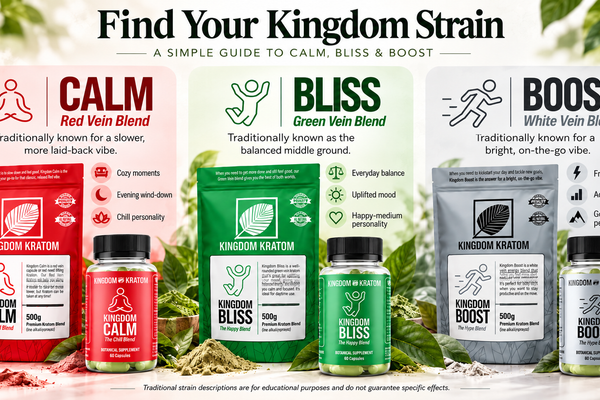
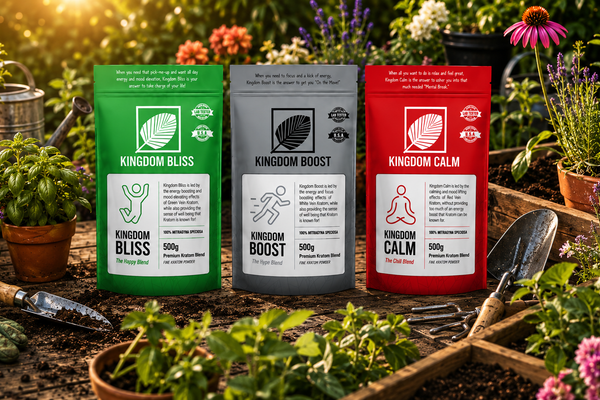
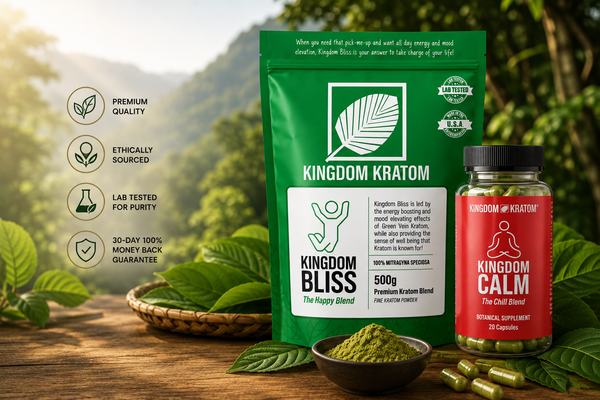
That is precisely the standard we built Kingdom Kratom on. Every batch we sell is tested in an FDA-registered lab under AKA GMP–certified manufacturing, and the alkaloid profile is the leaf's own — nothing added, nothing boosted, nothing "adjacent."
The American Kratom Association's Response
The AKA — the industry body behind the GMP standards program we're certified under — applauded the scheduling. Senior fellow Mac Haddow called it "a critically important step in protecting American consumers from dangerous chemically manipulated opioid products," and made the distinction that matters most: "Trace detection is not the same as chemical manipulation."
The AKA is urging state legislatures, attorneys general, and health departments to follow the same logic — target the chemically manipulated opioids, enforce against adulterated products, and preserve adult access to safely formulated natural leaf. Haddow called the federal action "exactly the kind of precision that consumer protection requires." We agree. This is what we've asked regulators to do all along: aim at the synthetics, not the plant.
Our Position: We Never Sold This Stuff, and This Is Why
When 7-OH tablets started flooding gas station counters and making easy money, we said no — publicly and repeatedly. We've never sold 7-OH, MGPI, or any boosted, fortified, or "enhanced-alkaloid" product, and we never will. We believe in the natural kratom leaf: responsibly sourced from farmers we know, lab-tested batch by batch, and sold as nature made it.
That wasn't a hard business call, but it was a costly one while competitors cashed in. The last thirteen months have vindicated it completely: Louisiana, then California, then a wave of state 7-OH bans, then the DEA's July action against 7-OH, and now Schedule I for the adjacent compounds. Chemically boosted opioid products sold under kratom's name were always headed for exactly this ending. Vendors who built their revenue on them are now holding Schedule I inventory. We're holding what we've always held: the leaf.
What This Means for You
- If you buy natural kratom powder or capsules: nothing changes. Your products remain federally legal, and ours ship nationwide same-day as always (state restrictions still apply — see our state legality guides).
- If you own products labeled MGPI, pseudoindoxyl, MGM-15, MGM-16, or marketed as "stronger than 7-OH": those are now Schedule I substances. Simple possession carries federal criminal exposure. Dispose of them; don't try to sell or return them. If in doubt about a specific product, contact the vendor or an attorney — this article is not legal advice.
- If you shop at smoke shops or gas stations: be more careful, not less. Scheduled compounds don't vanish from shelves overnight, and mislabeled products are the whole reason this action exists. Anything promising extreme potency in tablet or shot form deserves hard scrutiny — or a hard pass in favor of lab-tested leaf products with published COAs.
What Happens Next
The temporary orders run two years, extendable by one, while the DEA pursues permanent scheduling — which historically it gets once emergency action is taken. Expect states to mirror the federal list quickly, the way they did with 7-OH. Expect a short-lived wave of "legal MGPI alternatives" from the same manufacturers, and expect those to get scheduled too; the preemptive inclusion of MGM-16 shows the DEA is done playing whack-a-mole one molecule at a time.
For natural kratom, the outlook is arguably the best it's been in years. Every one of these actions has come with explicit federal language protecting traditional botanical kratom — a distinction consumer advocates spent a decade fighting for. The clearer the line between the leaf and the synthetics, the safer the leaf's legal standing becomes. We'll keep covering every development in our legality hub, and we support the AKA's work to keep that line exactly where it belongs.
Frequently Asked Questions
Is kratom illegal now?
No. The August 2026 scheduling covers three manufactured opioid compounds — MGPI, MGM-15, and MGM-16. The DOJ explicitly stated the action is not directed at traditional botanical kratom. Natural leaf powder and capsules remain federally legal.
Is MGPI the same thing as 7-OH?
No, but they're relatives. 7-OH (7-hydroxymitragynine) was addressed by the DEA in July 2026; MGPI, MGM-15, and MGM-16 are related opioid compounds that manufacturers were positioned to pivot to. All are now under Schedule I control.
Does natural kratom contain MGPI?
Per the DOJ, scientific literature has not established MGPI as a naturally occurring kratom alkaloid. The government has said it will exercise enforcement discretion for incidental trace detection consistent with botanical kratom — one more reason to buy only batch-tested leaf with a published COA.
Can I still buy kratom online and have it shipped?
Yes, in states where kratom is legal. Kingdom Kratom ships lab-tested natural leaf products nationwide, same day on orders placed by 1 PM Central — we've never sold 7-OH or its adjacent compounds, so nothing in our catalog is affected by this action.
What should I do if a local shop is still selling these products?
Don't buy them. Schedule I status applies regardless of what the label or the clerk says. The AKA encourages reporting adulterated or scheduled products to state attorneys general and health departments.
The Bottom Line
The DEA scheduled three synthetic opioid compounds that were being sold in kratom's name. Natural kratom leaf remains legal, the federal government said so in plain language, and the industry's dividing line — leaf versus lab — just got drawn in permanent ink. It's the line we've operated on since our first batch. Shop the natural leaf, check the COA, and if you have questions about a product you own, our team reads every message.