Kratom vs. Kava: Key Differences, Effects & How to Choose

If you've heard of kratom, you've probably also heard of kava, and you may be wondering what sets the two apart. Both plants have been consumed for centuries across their native regions, and they're often used interchangeably or confused with one another. While they share some similarities in how people use them and a few overlapping effects, kratom and kava are distinct botanicals with very different chemistry, origins, and traditions.
In this article, you'll learn:
- What kratom is
- What kava is
- The key differences between kratom and kava
- Kava tea vs. kratom tea
- How each is typically consumed
What Is Kratom?
Kratom comes from the leaves of Mitragyna speciosa, a tropical evergreen tree in the coffee family that grows wild in Southeast Asia. Indonesia, Thailand, Malaysia, and Borneo are the heartlands of kratom cultivation, and farmers there have used the leaves for generations to support energy, focus, and physical comfort.
The plant's effects come from a group of alkaloids, with mitragynine being the dominant and most well-studied compound. Mitragynine is the natural alkaloid responsible for most of kratom's reported benefits, including mood support, relaxation, and a sense of steady energy. Trace amounts of 7-hydroxymitragynine (7-OH) also occur naturally in the leaf, but at very low levels in unaltered kratom powder.
Kratom Strains and Veins
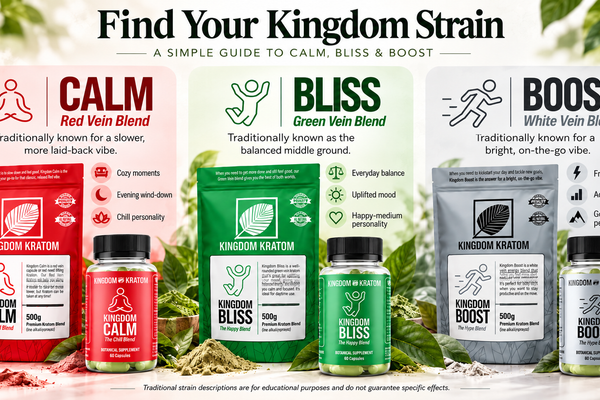
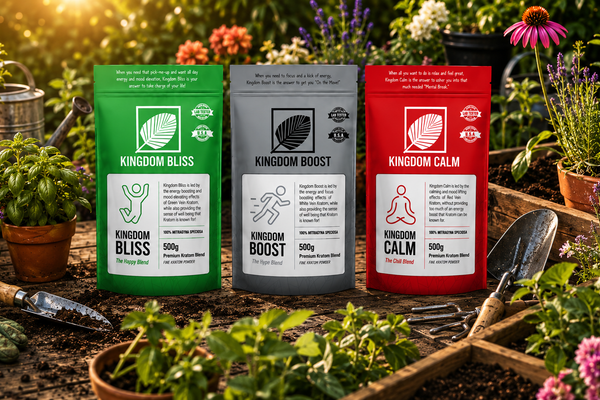
Kratom is sorted by vein color, which reflects the maturity of the leaf and the drying process used after harvest. Each vein tends to produce a different feel:
- White vein: Brighter, more stimulating. A popular pick for morning use. See our Kratom for Energy collection.
- Green vein: A balanced middle ground for focus and mood. Browse Green Vein Kratom Powder.
- Red vein: Mellower and more soothing, often used in the evening. Try Red Bali Kratom.
- Yellow and Gold: Specialty drying methods that produce a smoother, rounder profile.
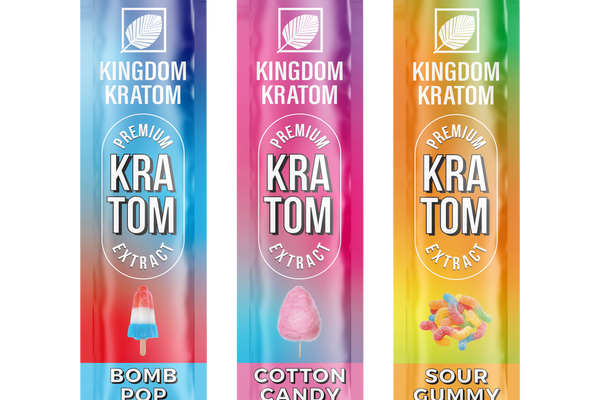
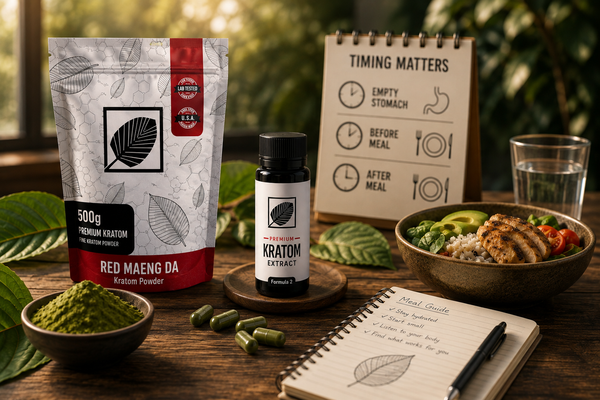
Kratom is sold as loose powder, capsules, extracts, gummies, and shots. For most newcomers, powder or premium kratom capsules are the easiest starting points.
What Is Kava?
Kava comes from the root of Piper methysticum, a plant in the pepper family that grows across the South Pacific. Fiji, Vanuatu, Tonga, Hawaii, and Samoa all have deep cultural traditions around kava, where it has been used for thousands of years in ceremonies, community gatherings, and as a social drink.
The active compounds in kava are called kavalactones. Six main kavalactones drive the plant's relaxing, calming character, and the ratio of these compounds (often written as a six-digit "chemotype") determines whether a particular kava feels more sedating or more sociable.
Kava is traditionally prepared as a drink. The dried root is ground into powder, then kneaded in water and strained through a cloth to make a muddy, earthy beverage with a numbing, peppery taste. Modern formats include instant kava mixes, capsules, tinctures, and ready-to-drink kava bottles.
Kratom vs. Kava: The Key Differences
Although both plants are used for relaxation and social bonding in their home regions, they are fundamentally different. The breakdown below compares them point by point.
Botanical Origin
- Kratom: Leaves of Mitragyna speciosa, native to Southeast Asia.
- Kava: Roots of Piper methysticum, native to the South Pacific.
Active Compounds
- Kratom: Alkaloids, primarily mitragynine.
- Kava: Kavalactones (six primary types).
Reported Effects
- Kratom: Varies by strain and dose. Lower amounts of white and green vein kratom are often reported to support energy, focus, and mood. Higher amounts of red vein strains are commonly used for relaxation and physical comfort.
- Kava: Generally consistent across varieties. Reported to promote calm, ease social tension, and produce a mild physical relaxation. Kava is rarely described as energizing.
Taste and Format
- Kratom: Bitter, grassy powder. Most people take it as a toss-and-wash, mix it into juice, or use capsules to skip the taste.
- Kava: Earthy, peppery, and slightly numbing on the tongue. Traditionally drunk as a tea-like beverage.
Cultural Use
- Kratom: Chewed fresh or brewed as tea by farmers and laborers in Southeast Asia to help with long workdays.
- Kava: Drunk in ceremonial and social settings across the Pacific Islands, often passed around in a communal bowl.
Kava Tea vs. Kratom Tea
Both plants are commonly prepared as a tea, but the process and the experience are quite different.
Kratom Tea
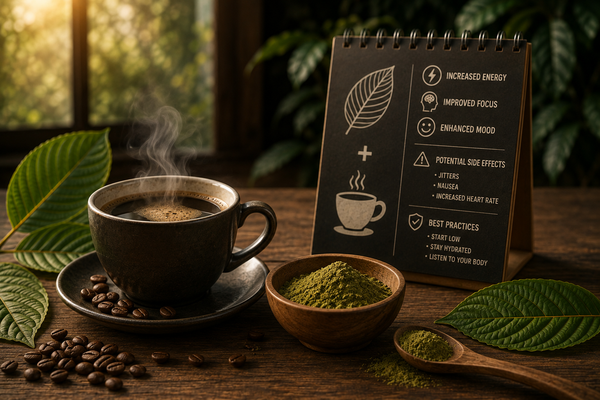
Kratom tea is made by simmering kratom powder or crushed leaf in water, sometimes with lemon juice (the acidity is said to help pull more alkaloids into the brew). The tea is strained and sipped warm or cold. Flavor is bitter and grassy, similar to strong green tea with an earthy edge. Effects depend heavily on the strain. A morning cup of white vein tea feels brighter and more focused, while a red vein tea before bed is more soothing.
Kava Tea
Traditional kava is not steeped like a normal tea. The ground root is placed in a cloth strainer, soaked in cool or room-temperature water, and then kneaded and squeezed to release the kavalactones into the liquid. The result is a brown, opaque drink with a thick mouthfeel. Within minutes, drinkers often notice a numb sensation on the lips and tongue, followed by a relaxed, sociable calm.
How Kratom and Kava Are Consumed
Beyond tea, both plants come in formats designed for convenience and consistency.
Common Kratom Formats
- Loose powder: The most flexible option. Mix into drinks, make tea, or use the toss-and-wash method.
- Capsules: Pre-measured, taste-free, and easy to take on the go.
- Extracts: Concentrated liquid or powder for experienced users.
- Gummies and shots: Quick, flavored options for portability.
If you want to sample several strains before committing to a full bag, our Kratom Sample Packs let you try multiple veins side by side.
Common Kava Formats
- Traditional ground root: Prepared with water and a strainer bag.
- Instant kava: Pre-extracted powder that dissolves in water.
- Capsules and tinctures: Convenient daily formats.
- Kava drinks: Ready-to-drink bottles, often flavored.
Is Kava the Same as Kratom?
No. Despite some overlap in how people use them for stress relief and relaxation, kava and kratom are different plants with different active compounds, different traditions, and different feels. Kava produces a fairly predictable calm at any reasonable serving size. Kratom is dose- and strain-dependent, so the experience can range from coffee-like alertness to a deep evening wind-down.
Which One Should You Try?
The right pick depends on what you want out of the experience. If you want a calming social drink with a long ceremonial history and a fairly consistent profile, kava is worth a look. If you want a botanical with more variety, where strain choice lets you dial in energy, focus, or relaxation, kratom gives you more range.
For newcomers leaning toward kratom, a balanced green vein is a friendly starting point. Green Maeng Da Kratom is one of the most popular all-purpose strains, with a steady lift and a smooth feel. If you're looking for evening relaxation, Kratom for Relaxation is a good place to browse.
The Kingdom Kratom Difference
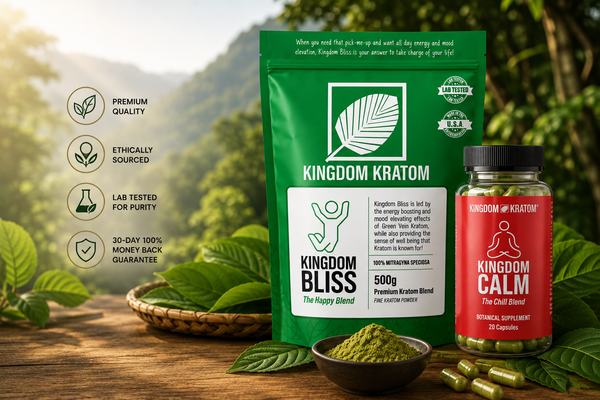
Every batch of Kingdom Kratom powder and capsules is sourced from mature Mitragyna speciosa trees grown in Southeast Asia, with no additives. We're proudly American Kratom Association GMP qualified and manufacture in an FDA-registered facility, with third-party lab testing on every lot. If you don't love your order, our no-questions-asked money-back guarantee has you covered, and shipping is free on orders over $75.
Whichever botanical you choose, take time to learn the basics, start with a modest serving, and pay attention to how your body responds. Kava and kratom both have rich traditions behind them, and a bit of background reading sets you up for a good first experience.