Growing Kratom: Complete Guide to Mitragyna Speciosa Cultivation

Kratom, known botanically as Mitragyna Speciosa, is native to the tropical rainforests of Southeast Asia. The biggest producers are Indonesia, Malaysia, and Thailand, where the hot, humid climate and rich soil give the tree what it needs to thrive. If you've ever wondered how the powder in your favorite capsule or tea actually starts its life, this guide walks you through it.
What Is the Kratom Tree?
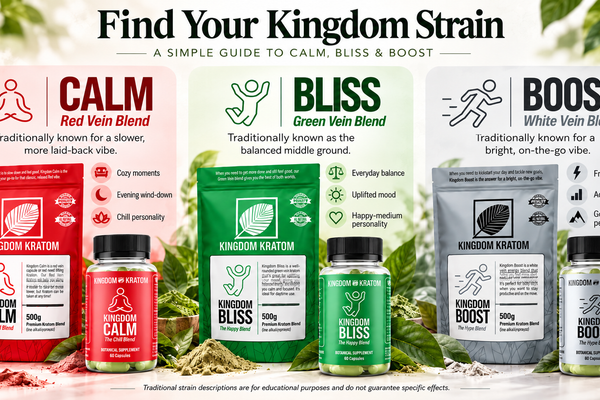
The kratom tree is an evergreen that can tower up to 80 feet tall in the wild. It has glossy green leaves that carry the alkaloids (chiefly mitragynine) that kratom enthusiasts know well. Leaves vary in color, size, and potency. The vein color running through each leaf (red, green, white, or yellow) signals a different alkaloid profile and a different felt experience.
Why Vein Color Matters
- Red vein: the most mature leaves, associated with calm and comfort. Browse our Red Vein Kratom Powder selection.
- Green vein: a balanced middle ground for mood and focus. See the Green Vein Kratom Powder collection.
- White vein: harvested earlier, often reported to support energy. See our White Vein Kratom Powder lineup.
- Yellow vein: a blended or specially dried profile with a distinct character.
Where Kratom Grows Naturally
Kratom flourishes in equatorial regions with consistent rainfall, temperatures between 75°F and 95°F, and humidity above 70%. The trees prefer rich, fertile, slightly acidic soil with strong drainage and plenty of organic matter. River deltas and lowland rainforests in Borneo, Sumatra, and the Malay Peninsula are prime examples of the kratom tree's natural habitat.
Top Growing Regions
- Indonesia: the world's largest producer, especially the islands of Borneo and Sumatra. This is where most Borneo Kratom and Bentuangie Kratom originate.
- Malaysia: home to the well-loved Malay Kratom strains.
- Thailand: the historical heartland of kratom, and the origin of many Maeng Da (Pimp Grade) varieties.
Can You Grow Kratom at Home?
Yes, you can grow kratom at home, but it takes patience and the right setup. The tree is legal to cultivate in most U.S. states (always check your local laws first), and hobbyist growers in Florida, Hawaii, California, and similar warm climates have had the best outdoor results. Everywhere else, indoor growing is the practical route.
What a Kratom Plant Needs
- Temperature: 75°F to 90°F is the sweet spot. Anything below 60°F will stress or kill the plant.
- Humidity: aim for 70% or higher. A greenhouse, humidifier, or humidity dome is often required indoors.
- Light: bright, indirect sunlight, or roughly 12 to 16 hours under a strong full-spectrum grow light.
- Soil: rich, fertile, well-draining soil with a pH of 5.5 to 6.5. Add compost or worm castings for organic content.
- Water: consistent moisture, never soggy. Let the top inch of soil dry slightly between waterings.
- Nitrogen: kratom is a heavy feeder. Regular nitrogen-rich fertilizer fuels leaf production, which is where the alkaloids live.
Starting From Seed vs. Cuttings
Kratom seeds have a notoriously low germination rate and must be very fresh, typically within a few days of harvest, to sprout at all. For that reason, most home growers start with rooted cuttings or young live plants. Cuttings root best in high humidity with bottom heat and a rooting hormone.
Growing Kratom Indoors
Indoor cultivation is the most reliable option for growers outside of subtropical climates. A grow tent with a humidifier, oscillating fan for airflow, and a full-spectrum LED light can recreate Southeast Asian conditions closely. Expect to prune your tree regularly to keep it manageable. Indoor kratom can still reach 6 to 10 feet tall when happy.
Common Indoor Challenges
- Low humidity: the number one killer of indoor kratom. Leaves will brown at the edges and drop.
- Cold drafts: kratom hates sudden temperature swings near windows or AC vents.
- Underfeeding: pale leaves usually mean the tree wants more nitrogen.
- Pests: spider mites and aphids love the soft new growth.
How Long Until You Can Harvest?
Commercial kratom trees in Southeast Asia are typically harvested after several years of growth, when alkaloid content peaks. Home growers can begin harvesting smaller amounts of leaf within 1 to 2 years, though potency depends heavily on light, climate, and tree maturity. The leaves on a backyard tree in Ohio will simply not match the punch of a 30-foot mature tree growing wild in Borneo, and that's why sourcing matters.
Why Most People Buy Rather Than Grow
Growing your own kratom is a rewarding botany project, but it's rarely a practical way to source the strain quality and consistency you'd get from a reputable vendor. Mature Southeast Asian trees produce leaves with full alkaloid profiles, and traditional drying methods (sun-cured for white, indoor-dried for green, fermented for red and bentuangie) shape the final character of the strain in ways a home grower cannot easily replicate.
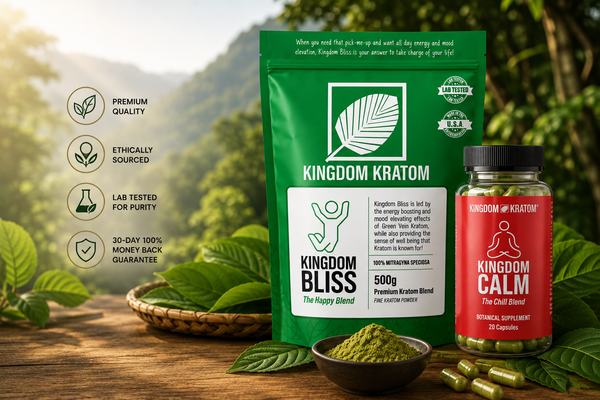
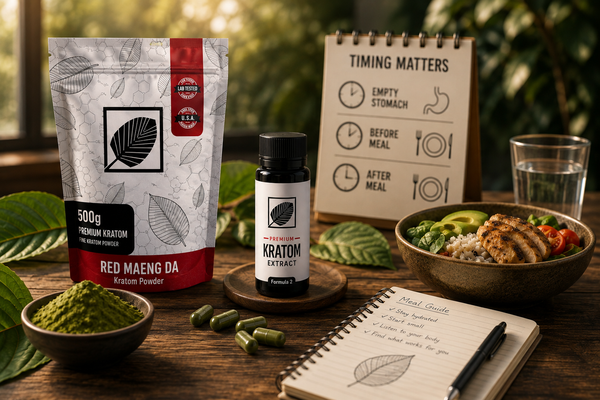
At Kingdom Kratom, every batch is sourced from mature trees grown and harvested in the jungles of Southeast Asia, with no additives, and backed by our no questions asked money-back guarantee. If you'd rather skip the 2-year grow cycle, here are a few popular starting points:
- Kratom Sample Packs: try multiple strains and find your favorite before committing to a larger size.
- Premium Kratom Capsules: lab-tested, AKA-GMP qualified capsules with no bitter taste and easy dosing.
- Kratom Powder: the full strain and vein lineup in classic powder form.
- Red Bali Kratom: one of our best-selling strains for evening calm.
- Green Maeng Da Kratom: a balanced, energetic green often called "Pimp Grade."
Frequently Asked Questions About Growing Kratom
Is it legal to grow kratom in the United States?
Kratom is legal to grow in most U.S. states, but a handful of states and municipalities restrict or ban the plant. Always check your state and local laws before purchasing seeds or live plants.
Can you grow kratom in Florida?
Yes. Florida's subtropical climate is one of the better U.S. matches for kratom's preferred conditions, though most of Florida (outside the southernmost counties) still gets cold snaps that can damage or kill the tree without protection.
Can you grow kratom indoors?
Yes, and for most U.S. growers it's the only realistic option. A grow tent with high humidity, full-spectrum lighting, warm temperatures, and well-draining acidic soil will keep a kratom tree healthy year-round.
How tall does a kratom tree grow?
In the wild, kratom trees can reach 80 feet tall. Indoor and container-grown trees usually stay between 6 and 15 feet with regular pruning.
Why does sourcing matter so much?
Mature trees grown in the equatorial rainforest soil of Borneo, Sumatra, and Malaysia produce richer alkaloid profiles (higher mitragynine content) than trees grown outside their native range. Combined with traditional drying methods, this is what gives each strain its distinct character.
If you're a botany hobbyist curious about Mitragyna Speciosa or an experienced enthusiast looking for the best kratom powder online, understanding how kratom grows gives you a clearer sense of what's in every leaf, and every gram, in the jar.