Is Kratom Banned? What the DEA's 7-OH Scheduling Really Means for You

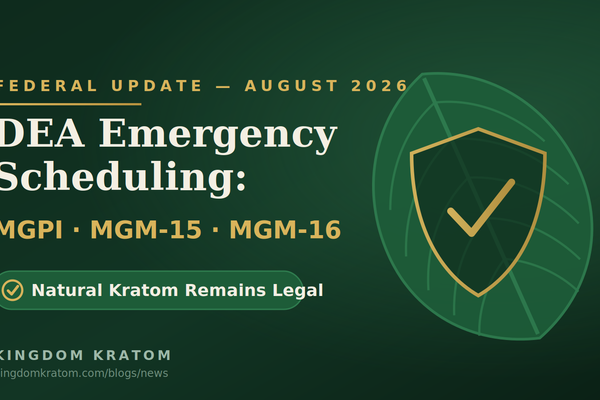
No, kratom is not banned. On July 1, 2026, the DEA announced its intent to place synthetic, high-concentration 7-OH products — not natural kratom leaf — into Schedule I of the Controlled Substances Act. In fact, this is the first time the federal government has drawn a clear legal line between natural kratom and the chemically manipulated "7-OH" products that have flooded gas stations and smoke shops. Natural kratom powder and leaf products remain exactly as legal today as they were last month.
If you saw a headline like "DEA Bans Kratom Compound" and felt your stomach drop, you're not alone. Our phones and inboxes lit up too. So let's walk through what the DEA actually did, what it means for the products you use, and why — honestly — this is the best news the kratom community has gotten in years.
What the DEA Actually Announced
On July 1, 2026, the DEA signed a notice of intent (Docket No. DEA-1570) to temporarily place 7-hydroxymitragynine (7-OH) above a specified threshold into Schedule I. A second notice covers related synthetic compounds: mitragynine pseudoindoxyl (MP), MGM-15, and MGM-16 — substances that don't occur naturally in the kratom plant at all.
Here's the key detail most headlines missed. The scheduling only applies to products that exceed a specific 7-OH threshold:
- Botanical kratom containing more than 0.05% 7-OH by dry weight, or
- Synthetic or processed products (extracts, tablets, gummies, shots) containing more than 0.05% 7-OH by weight or more than 1 milligram of 7-OH per product
Natural kratom leaf naturally contains only trace amounts of 7-OH — far below that threshold. That's not an accident. The threshold was specifically designed, based on a scientific review by the Department of Health and Human Services, to capture spiked and synthesized products while leaving the natural plant alone.
So Natural Kratom Is… Officially OK?
This is the part worth pausing on. For years, kratom consumers have lived with uncertainty — will the government lump the leaf in with the lab-made stuff? The 2016 scare, the state-by-state battles, the misleading "kratom-related death" statistics that never distinguished natural leaf from adulterated products.
This action answers that question, and the answer is a relief. As the American Kratom Association put it: "These actions are not intended to regulate natural leaf kratom that does not contain enhanced levels of 7-OH."
Or in the blunter words of AKA Senior Fellow Mac Haddow: "Do not ban kratom because of 7-OH. Ban 7-OH because it is not kratom."
Even HHS Secretary Robert F. Kennedy Jr., in commending the DEA action, was specific about the targets: "7-OH, MP, MGM-15, and MGM-16 are dangerous opioids" — a list that notably does not include kratom, mitragynine, or natural leaf products.
For the first time, federal regulators have effectively affirmed what kratom advocates have argued all along: the plant and the synthetic knockoffs are not the same thing, and they shouldn't be treated the same way.
What Is 7-OH, and Why Did the DEA Act?
7-hydroxymitragynine is a minor alkaloid that occurs naturally in kratom in trace amounts — less than 2% of the plant's total alkaloid content. In whole-leaf kratom, it exists alongside dozens of other alkaloids in tiny, naturally balanced quantities.
The problem was never the leaf. The problem was what some manufacturers started doing to it. Using a chemical conversion process, 7-OH can be synthesized from mitragynine and concentrated into tablets, gummies, shots, vapes, and nasal sprays delivering doses hundreds of times higher than anything found in nature. One investigation cited by the DEA found products ranging from 1 mg to 700 mg of 7-OH per serving.
The DEA's findings on these concentrated products are sobering:
- 7-OH in isolated form has opioid activity with a pharmacological profile similar to morphine
- U.S. poison centers logged 165 exposure cases involving 7-OH in just the first seven months of 2025
- The FDA issued seven warning letters in mid-2025 to companies illegally marketing 7-OH products — some in candy-like packaging appealing to children
- Nine states had already banned 7-OH products before the DEA acted
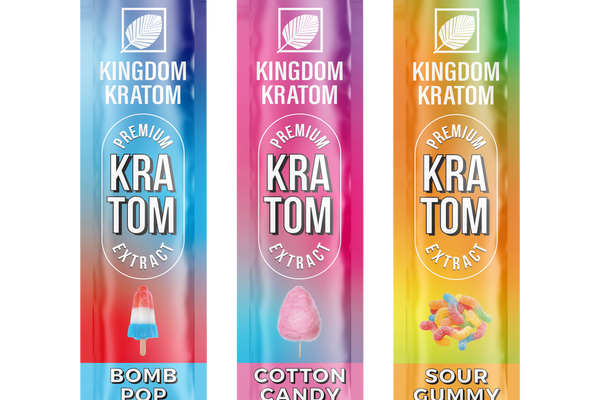
These products were sold in colorful packaging, often labeled as "kratom extract" or "natural," at gas station counters nationwide. They borrowed kratom's name and reputation while delivering something entirely different.
Where Kingdom Kratom Stands — and Where We've Always Stood
We'll be direct: Kingdom Kratom has never sold 7-OH products, and we never will.
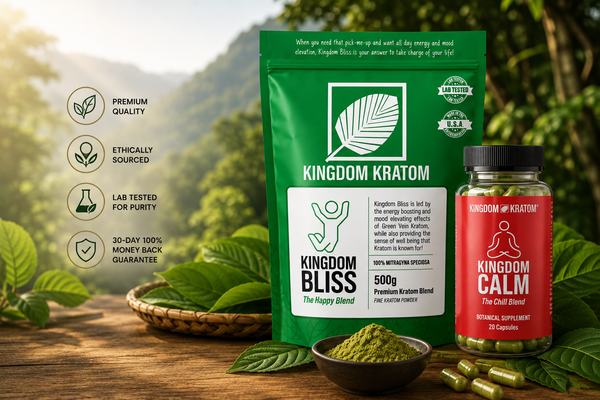
That wasn't always the easy call. As 7-OH tablets became the fastest-selling items in the industry, we watched competitors cash in. We took a stand instead, because our position has always been simple: we believe in the natural kratom leaf — responsibly sourced, lab-tested, and sold as nature made it. Chemically spiked, synthesized, or concentrated 7-OH products were never kratom, and we refused to pretend otherwise just because the label said so.
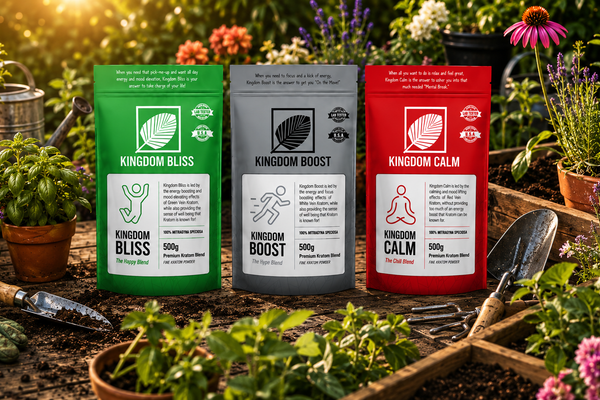
The DEA's action validates that decision, but more importantly, it protects you. Every Kingdom Kratom product is natural leaf kratom with only the trace alkaloid levels the plant produces on its own — far below the DEA's new threshold. Nothing in this scheduling action affects any product we sell.
What Happens Next: Timeline and Details
- July 6, 2026 — The notice of intent publishes in the Federal Register.
- 30-day waiting period — Required by law before the DEA can issue the temporary order.
- Early August 2026 (earliest) — The temporary scheduling order can take effect upon publication.
- Two years — The temporary order lasts two years, extendable by one more, while the DEA pursues permanent scheduling.
Once the order takes effect, manufacturing, distributing, importing, or possessing 7-OH products above the threshold becomes subject to Schedule I criminal, civil, and administrative penalties. If you currently have high-potency 7-OH products — tablets, gummies, shots, strips — be aware they are about to become Schedule I controlled substances.
One more note: the federal action doesn't override stricter state laws. States that have banned or restricted 7-OH (or kratom itself) keep their own rules. Check your state's current status if you're unsure.
What This Means for Kratom Consumers
If you use natural kratom powder or leaf: Nothing changes. Your products remain legal at the federal level, and the regulatory cloud that hung over natural kratom just got noticeably smaller.
If you've been using 7-OH tablets or extracts: Those products are going away, and abrupt discontinuation of high-potency 7-OH has sent people to the hospital with withdrawal symptoms. If you're dependent on 7-OH products, please talk to a healthcare provider about safely stepping down. This is a sensitive topic, and there's no shame in asking for help.
If you're new to kratom and confused by the headlines: The short version — the government banned the synthetic imposters, not the plant. Look for vendors who sell natural leaf products, publish third-party lab results, and follow Good Manufacturing Practices.
How to Make Sure You're Buying Natural Kratom (Not 7-OH)
- Read the label. Anything advertising "7-OH," "7-hydroxy," or a milligram amount of 7-OH is exactly what the DEA just scheduled.
- Check for lab tests. Reputable vendors publish certificates of analysis showing full alkaloid content. Natural leaf will show trace 7-OH, well under 0.05%.
- Be skeptical of tablets, shots, and strips. Natural kratom is a plant powder. Pressed pills, sublingual strips, and "extract shots" promising potent effects are red flags.
- Buy from GMP-qualified vendors who follow the American Kratom Association's manufacturing standards.
Frequently Asked Questions
Is kratom illegal now?
No. Natural kratom leaf and powder remain federally legal. The DEA's action targets only products containing 7-OH above 0.05% (or more than 1 mg per product) — levels only reached through chemical manipulation.
Did the DEA ban kratom in 2026?
No. The DEA scheduled synthetic and concentrated 7-OH products, and explicitly structured the rule so natural kratom leaf is not captured.
Is 7-OH the same as kratom?
No. 7-OH is one minor alkaloid that appears in trace amounts in kratom leaf. The banned products contain synthesized or concentrated 7-OH at levels nature never produces — which is why regulators treat them as a different substance.
Will Kingdom Kratom products be affected?
No. We sell only natural leaf kratom products with trace, naturally occurring alkaloid levels — far below the DEA threshold. We have never sold 7-OH products.
When does the ban take effect?
The notice publishes July 6, 2026. The temporary order can be issued after a 30-day waiting period — so early August 2026 at the earliest — and lasts two years, with a possible one-year extension.
Can states still ban kratom?
Yes. Federal scheduling doesn't preempt stricter state laws. Nine states banned 7-OH before the DEA acted, and a handful of states restrict or ban kratom itself. Always check your local laws.
Kingdom Kratom sells only natural, lab-tested kratom leaf products — never synthetic or 7-OH-spiked items. Browse our natural kratom collection, or reach out with any questions about how this ruling affects your order. We're happy to talk.
Sources: DEA Notice of Intent, Federal Register Docket DEA-1570 · American Kratom Association statement, July 1, 2026 · DEA press release, July 1, 2026