WHO Decision on Kratom Review: What It Means for Kratom Advocates

Many in the kratom community nervously awaited the World Health Organization's verdict on its review of kratom. Kratom advocates can rest easy: the WHO decided not to recommend an international ban on the plant. The decision keeps kratom legally accessible across most of the globe and preserves access for the millions who use it as part of their wellness routine.
What the WHO Reviewed and Why It Mattered
There were real concerns that WHO's Expert Committee on Drug Dependence (ECDD) would recommend international controls over kratom or push a critical review that could have led to a scheduling recommendation. A scheduling recommendation at the international level would have affected member nations, potentially pressuring countries to restrict or outright prohibit kratom sales and possession.
While the WHO does not police or regulate substances directly, its recommendations carry significant weight. National regulators, including the U.S. DEA and FDA, often look to the WHO's guidance when shaping domestic drug policy. A negative ruling would have given prohibitionists a powerful international tool.
The ECDD's Decision Explained
After reviewing the available scientific literature, the ECDD concluded that there is insufficient evidence to recommend a critical review of kratom at this time. Instead, the committee placed kratom under surveillance, meaning the WHO will continue to monitor research, safety reports, and public health data without imposing any restrictions.
This is the outcome the kratom community hoped for. Surveillance keeps the door open for ongoing scientific study while protecting consumer access. The committee specifically noted that kratom is used in traditional medicine and as a self-managed wellness tool by adults across many countries, and that broad restrictions could cause more harm than benefit.
Key Takeaways from the ECDD Report
- No recommendation for international scheduling or control
- Kratom placed under surveillance, not critical review
- Acknowledgment of traditional and modern wellness use cases
- Recognition that more research is needed before any restrictive action
Why This Win Matters for the Kratom Community
The decision is a major victory for the American Kratom Association (AKA), the Botanical Education Alliance, and the countless advocates who submitted scientific evidence, consumer testimony, and policy comments during the review period. Their organized response showed international regulators that kratom users are everyday adults: parents, veterans, working professionals, and seniors who use the plant responsibly.
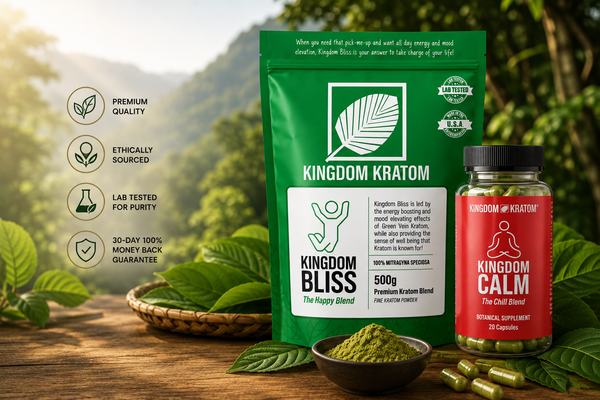
For consumers who shop premium kratom capsules and powders, this ruling reinforces what responsible vendors have argued all along: kratom is a botanical that deserves thoughtful regulation, not prohibition. At Kingdom Kratom, every batch we sell comes from American Kratom Association GMP qualified facilities, and we lab test for purity, alkaloid content, and contaminants. The WHO outcome validates the approach the responsible side of the industry has taken for years.
What This Means for Kratom Access in the U.S.
The WHO decision does not change U.S. federal law, kratom remains federally legal, but it removes significant international pressure that could have influenced future FDA or DEA action. State-level legislation continues to move forward through the Kratom Consumer Protection Act (KCPA), which has now passed in multiple states and sets quality, labeling, and age-verification standards for kratom sales.
For consumers, the practical impact is simple: kratom continues to be available, and the conversation can focus on how kratom should be sold responsibly rather than whether it should be sold at all. That is real progress.
How to Support Kratom Advocacy Going Forward
The fight is not over. Surveillance status means the WHO can revisit kratom at future ECDD meetings, and domestic challenges from the FDA continue. Here is how you can help keep kratom legal and accessible:
- Donate to the American Kratom Association. The AKA led the international advocacy effort and continues to fight state-level battles.
- Buy from AKA-GMP qualified vendors. Quality vendors raise the bar for the entire industry and give regulators fewer reasons to act.
- Contact your state legislators. Ask them to support the Kratom Consumer Protection Act in your state.
- Share your story. Personal testimony from real consumers has been the single most effective advocacy tool to date.
Shop Quality Kratom Backed by Responsible Sourcing
If you are new to kratom or looking for a trusted vendor, browse our top categories:
- Premium Kratom Capsules, lab-tested, AKA-GMP qualified, and easy to dose on the go
- Kratom Powder, the best kratom powder online with high quality strains under $30
- Green Maeng Da Kratom, a community favorite for focus and mood support
- Kratom for Relaxation and Stress, hand-picked strains for unwinding after a long day
- Kratom Sample Packs, an easy way to try multiple strains and find what works for you
Frequently Asked Questions
Did the WHO ban kratom?
No. The WHO's Expert Committee on Drug Dependence reviewed kratom and decided not to recommend an international ban or any scheduling action. Kratom was placed under surveillance, meaning it will be monitored but is not subject to international controls.
Is kratom legal after the WHO decision?
Yes. Kratom remains federally legal in the United States and legal in most U.S. states. The WHO decision does not change domestic law, but it removes international pressure that could have influenced future restrictions.
What does "under surveillance" mean for kratom?
Surveillance means the WHO will continue to track scientific research, safety reports, and consumer use data on kratom. It does not restrict sales, possession, or use. The WHO can revisit kratom at future ECDD meetings if new evidence warrants a closer look.
How can I make sure I am buying quality kratom?
Look for vendors who are American Kratom Association GMP qualified, publish third-party lab tests, and operate out of FDA-registered manufacturing facilities. Kingdom Kratom meets all three standards and backs every order with a money-back guarantee.
Who led the advocacy effort to protect kratom?
The American Kratom Association (AKA), the Botanical Education Alliance, and thousands of individual consumers and scientists submitted evidence and testimony to the WHO during the review period. Their coordinated response was central to the favorable outcome.
The team here at Kingdom Kratom will continue to keep you informed on kratom legislation, scientific research, and industry developments. Stay tuned to our blog for the latest updates on the plant we love.