How to Grow a Kratom Tree: Complete Beginner's Guide

Kratom interest has grown fast, and so has curiosity about growing the plant at home. Unlike cannabis, which most home growers can manage with a tent and a light, kratom is a tropical tree with very specific needs. It is possible, but you should know what you are signing up for. Below are straight answers to the most common questions about growing your own Mitragyna speciosa.
Is Kratom a Plant or a Tree?
Kratom is a tree, not a shrub or a leafy plant. Mitragyna speciosa is an evergreen tropical tree in the coffee family (Rubiaceae), native to Southeast Asia: Thailand, Indonesia, Malaysia, Myanmar, and Papua New Guinea. In its natural habitat, mature kratom trees can reach 80 feet tall with trunks 3 feet across. The alkaloids that growers care about, mitragynine and trace amounts of 7-hydroxymitragynine, develop in the leaves as the tree matures, usually after several years of growth.
That tree biology shapes what home growing actually looks like. You are not raising an annual herb you harvest in 90 days. You are raising a tropical hardwood that wants jungle conditions and time.
Should You Grow Kratom From Seeds or Cuttings?
This is the first real decision, and it is the one that trips up most beginners.
Growing Kratom From Seeds
Kratom seeds are notoriously difficult to germinate. The seeds lose viability within days of leaving the pod, so unless you have a direct, very fresh supply from a Southeast Asian source, the germination rate is brutally low. Even with fresh seeds, you should plant a dozen or more to get one or two viable seedlings. Seeds want warm, humid soil and steady light to sprout, and they sulk at the first sign of cold or dryness.
Growing Kratom From Cuttings
Cuttings are the more reliable route, but they come with their own problem: kratom cuttings are prone to fungal infection and rot before they ever root. To give a cutting a fighting chance:
- Use a sterile rooting medium and a clean cutting tool.
- Apply a rooting hormone to the cut end.
- Seal the cutting in a humidity dome or clear plastic bag to hold moisture in the leaves.
- Keep the medium consistently warm, around 75 to 85°F.
- Check daily for mold or stem softening, and pull any cutting that starts to fail.
Most experienced home growers recommend cuttings over seeds, simply because the success rate is higher and you skip the lottery of viable seed.
What Is the Best Soil for Kratom?
Kratom likes rich, fertile, well-draining soil with a slightly acidic to neutral pH, roughly 5.5 to 6.5. In the wild, kratom trees grow in nutrient-dense jungle floor soil that drains quickly during heavy rains but stays moist between them. To replicate that at home:
- Start with a high-quality organic potting mix as the base.
- Add perlite or coarse sand for drainage, about 20 to 30 percent of the volume.
- Mix in compost or worm castings for nitrogen and trace minerals.
- Test pH with a cheap soil meter and adjust with peat moss (more acidic) or a small amount of dolomite lime (less acidic) as needed.
Drainage is non-negotiable. Kratom roots will rot in standing water, so whatever pot you use needs generous drainage holes.
Light, Temperature, and Humidity Requirements
This is where indoor home growers run into the most trouble. Kratom evolved in the equatorial jungle and it wants those conditions back.
Light
Mature kratom trees take full sun, but young plants want bright, indirect light or filtered sunlight for the first year or two. Indoors, a strong full-spectrum LED grow light running 12 to 14 hours a day works well. Outdoors in U.S. climates, only southern Florida, Hawaii, and parts of southern California can support kratom outside year-round.
Temperature
Kratom wants daytime temperatures of 75 to 90°F and nights no cooler than 60°F. Anything below 50°F can shock or kill the plant. If you live anywhere with real winter, plan on bringing the tree indoors or growing it in a heated greenhouse.
Humidity
Target 70 to 90 percent relative humidity, especially for young plants and rooting cuttings. Most homes sit at 30 to 50 percent, which is too dry. A humidifier, a pebble tray, or a small grow tent with controlled humidity is usually required.
Watering and Feeding Your Kratom Tree
Kratom is a heavy feeder and a heavy drinker, but it hates wet feet. Water deeply when the top inch of soil starts to dry, and let excess drain fully out the bottom. In active growth, a balanced nitrogen-forward fertilizer (something like a 10-10-10 or a fish emulsion) every two to four weeks keeps leaves producing. Cut back on feeding in the cooler months when growth slows.
Watch the leaves. Yellowing usually means nitrogen deficiency or overwatering. Brown crispy edges point to low humidity or fertilizer burn. Drooping with wet soil is almost always root rot starting.
How Long Until You Can Harvest Kratom Leaves?
Realistically, you are looking at two to three years before a home-grown kratom tree produces enough leaf to harvest meaningfully, and the alkaloid content of homegrown leaf rarely matches what comes out of mature, sun-aged trees in Southeast Asia. Soil composition, sun intensity, humidity cycles, and tree age all push the advantage toward jungle-grown kratom. That is why even dedicated growers usually keep a tree as a hobby project and buy their actual supply from established sources.
Is It Legal to Grow Kratom in the United States?
Kratom is federally legal in the United States but banned or restricted in several states and municipalities, including Alabama, Arkansas, Indiana, Rhode Island, Vermont, and Wisconsin, along with cities like San Diego, Sarasota, and Denver (with use restrictions). Before you plant a seed or root a cutting, check your state and city laws. Growing the tree usually falls under the same rules as possession.
The Honest Verdict: Should You Grow Your Own?
Growing kratom is a long, finicky project. If you love rare tropical plants and want a conversation piece, it is genuinely rewarding. If your goal is a steady supply of quality kratom for daily wellness use, the math does not work out. Two to three years of climate control and constant humidity tuning, only to produce leaf that still will not match jungle-grown alkaloid profiles, is a tough trade.
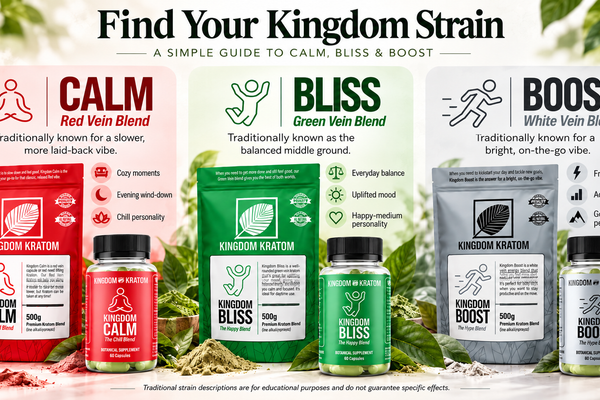
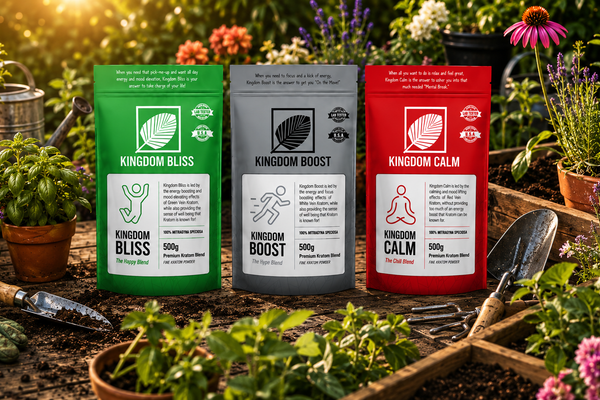
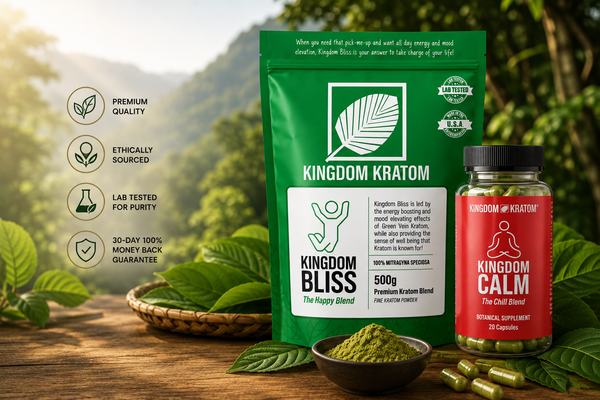
For most people, sourcing from a vendor that lab-tests every batch and sources from mature Southeast Asian trees is the smarter route. At Kingdom Kratom, every strain is grown and harvested in the jungles of Southeast Asia, lab-tested for alkaloid content and contaminants, and backed by our no questions asked money-back guarantee. If you want to skip the three-year wait, here is where to start:
- Kratom Powder: the full strain and vein matrix in finely milled powder form.
- Premium Kratom Capsules: the same lab-tested powder in convenient, taste-free capsules.
- Kratom Sample Packs: the best way to try multiple strains and find what works for you.
- Green Maeng Da Kratom: a connoisseur favorite for balanced energy and mood.
- Red Bali Kratom: a top pick for evening relaxation and calm.
Quick FAQ for Aspiring Kratom Growers
Can you grow kratom indoors in the U.S.?
Yes, with a grow tent, full-spectrum LED light, humidifier, and supplemental heat. Outdoor cultivation only works year-round in the southernmost parts of Florida, Hawaii, and coastal southern California.
How long do kratom seeds stay viable?
Only days, sometimes a week or two if stored cool and dry. This is the main reason seed germination fails for most U.S. growers.
How big will a potted kratom tree get?
In a pot indoors, expect 4 to 8 feet over several years. In the ground in a tropical climate, kratom trees can pass 50 feet.
Do home-grown kratom leaves work the same as commercial kratom?
Usually not. Alkaloid concentration depends on tree age, sun exposure, soil minerals, and proper drying. Mature, sun-aged Southeast Asian trees produce richer mitragynine content than most indoor home grows.
Is 7-hydroxymitragynine in homegrown kratom?
Only in trace amounts, the same as in any natural kratom leaf. Be cautious of any product, homegrown or commercial, that claims high 7-OH content. Naturally grown kratom is mitragynine-dominant, and at Kingdom Kratom we focus on natural mitragynine content over artificially raised 7-OH.